Innovative Sliding Door Systems for Limited Spaces: Make the Most of Your Space
Innovative sliding door solutions offer practical advantages for maximizing small spaces. By eliminating the need for swing clearance, these doors offer unobstructed pathways between areas. Choices such as pocket doors and bypass doors improve space efficiency while adding materials such as glass boosts natural illumination and a sense of openness. As metropolitan residential spaces progressively decrease in size, grasping the different styles and characteristics on offer proves critical for functional design. What targeted approaches can turn a limited area into an efficient sanctuary?
Why Sliding Doors Are Ideal for Small Spaces
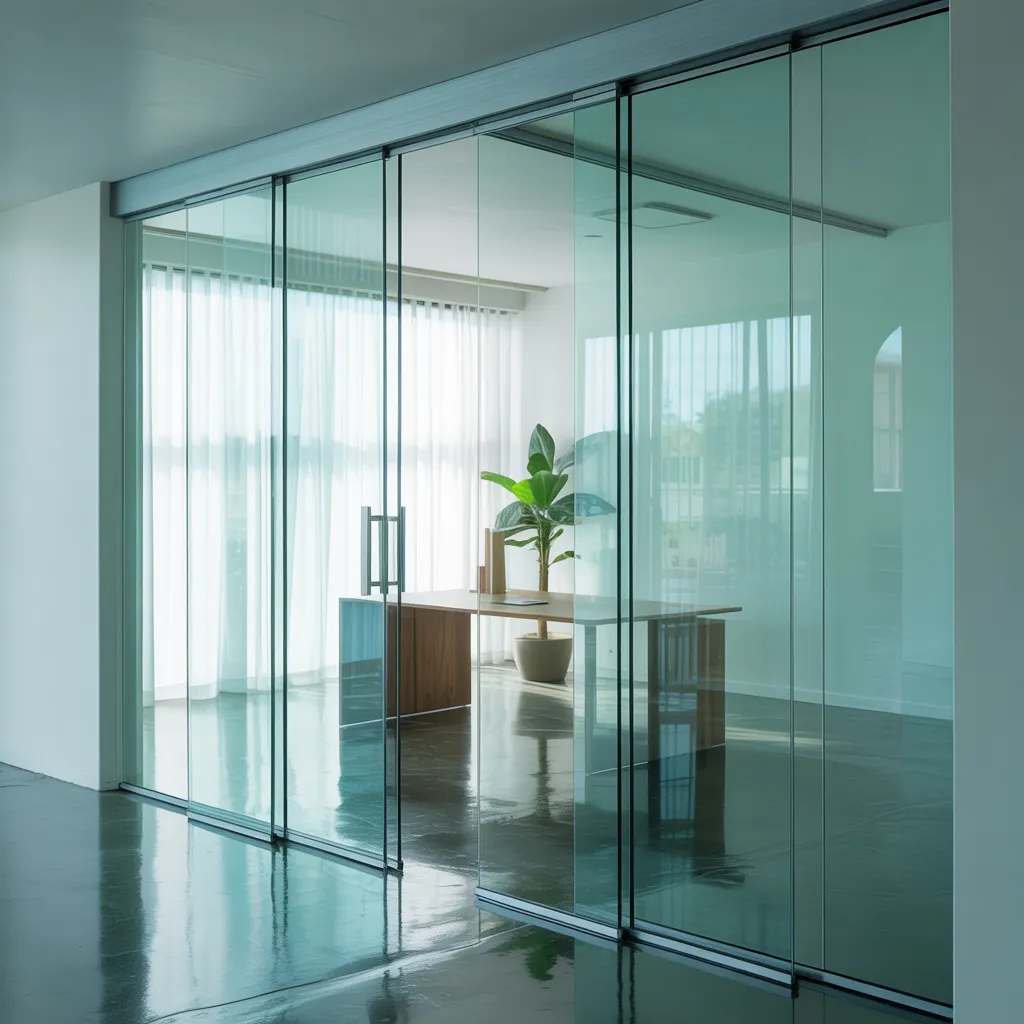
Sliding doors offer numerous benefits specifically designed for limited spaces. Their design allows for smooth transitions between rooms while eliminating the need for supplementary floor space for arc clearance. This quality is especially valuable in smaller rooms where space is at a premium. Furthermore, sliding doors are capable of improving the flow of natural light, generating the appearance of a larger living space.
Many sliding door options integrate glass inserts, which not only enhance the brightness of living spaces but also foster visual continuity between interior and exterior areas. In addition, sliding doors can be tailored to suit a wide range of aesthetic preferences, enabling homeowners to retain their individual design vision while making the most of room space.
Additionally, they often come equipped with efficient hardware that eliminates unnecessary clutter, additionally boosting the functionality of the room. Taken together, sliding doors provide an efficient solution for small areas, combining practicality with modern design to maximize usability and aesthetic appeal.
How to Choose the Right Type of Sliding Door
When selecting the perfect sliding door for a compact space, what factors should be considered. To begin, the size and configuration of the door play a key role. A pocket door, which retracts into the wall, can save floor space and enhance accessibility. Alternatively, bypass sliding doors move parallel to one another, making them a good fit for tighter openings.
Additionally, the style of the door should complement the room's aesthetics. Options range from traditional to contemporary designs, permitting homeowners to harmonize the door with their existing decor. Furthermore, functionality plays a role; select doors are designed with advanced insulation or soundproofing qualities, proving advantageous in rooms serving multiple purposes.
Lastly, installation and maintenance ease plays a significant role. Homeowners ought to evaluate whether expert installation is required and how much maintenance the door will demand. By evaluating these factors, individuals can choose a sliding door that maximizes both space and style.
Current Materials Used in Sliding Doors
The selection of materials plays a major role in both the functionality and aesthetics of contemporary sliding doors. Contemporary options include glass, wood, metal, and composite materials, all of which offer unique benefits. Glass sliding doors, for instance, maximize natural light and foster a sense of openness, making them ideal for small spaces. They can be framed with aluminum or wood to enhance durability and aesthetic appeal.
Hardwood delivers a warm aesthetic and is available in various finishes, giving a classic look that enhances traditional interior designs. Doors made of metal, often made of durable metals, offer robustness and safety while retaining a clean, contemporary appearance.
Blended materials bring together the strongest features of natural wood and synthetic alternatives, offering resistance to moisture and warping. This range empowers designers and homeowners to identify sliding door options that suit their specific needs and aesthetic preferences, ultimately optimizing spatial functionality and aesthetic appeal in space-conscious residential settings.
Practical Space-Saving Tips With Sliding Doors
A well-placed sliding door can significantly improve the functionality of limited spaces. By doing away with the need for swing space, sliding doors free up more floor space, making them ideal for tight areas. Opting for a pocket sliding door can additionally maximize the available area, as it disappears into the wall when opened, ensuring the floor remains unobstructed.
Incorporating mirrored sliding doors can provide the impression of a more spacious room while supplying necessary storage space. For narrow hallways or entryways, a traditional barn-style sliding door can enhance character without sacrificing space.
To enhance flexibility, explore multifunctional sliding door systems that separate living areas while allowing for open-plan living when required. Additionally, incorporating lightweight materials can facilitate smoother door operation, guaranteeing seamless transitions. These practical tips can transform small spaces into efficient, elegant settings, demonstrating that effective design does not require vast square footage.
Advanced Features for Privacy and Natural Light
How can smart features enhance privacy while allowing natural light to flow through sliding doors? Today's sliding doors with integrated smart technology deliver cutting-edge solutions for attaining both objectives. Glass panels are capable of offering customizable opacity levels, permitting users to switch from transparent to frosted at the tap of a button. This capability ensures that natural light flows into the area while preserving privacy as required.
In addition, intelligent window solutions, such as smart blinds or shades, can be configured to open or close based on the time of day or occupancy, providing flexibility and convenience. Light sensors can measure ambient brightness, altering the shading or opacity to enhance both privacy and natural light. Moreover, integration with home automation systems enables homeowners to manage these features remotely, improving security and comfort. Such developments not only optimize the functionality of smaller spaces but also support a harmonious balance of light and privacy.
Installation and Maintenance Tips for Sliding Doors
Proper installation and upkeep of sliding doors can significantly improve their durability and performance. Correct installation starts with precise measurements to ensure a perfect fit within the frame. It is important to balance the track and carefully fasten it, which eliminates future performance complications. Regularly checking and cleaning the tracks is essential; dirt and debris can hinder movement. Lubricating the rollers and tracks with silicone spray helps maintain smooth operation.
To maintain performance, examining the door seals on a routine basis can prevent drafts and moisture intrusion. Furthermore, handling any scratches or dents promptly maintains the visual appearance. If the door becomes misaligned, readjusting the rollers may resolve the issue. Residents should additionally inspect the locking mechanisms to ensure begin now security is not compromised. By following these installation and maintenance tips, individuals can maximize the efficiency and lifespan of their sliding doors, rendering them a worthwhile enhancement for limited spaces.

Common Questions and Answers
Are Sliding Doors Able to Enhance Home Energy Efficiency?
Sliding doors can enhance home energy efficiency by providing better insulation and reducing air leakage. Top-tier sliding doors, outfitted with thermally efficient glass, help maintain interior temperatures, ultimately lowering heating and cooling costs for homeowners.
Is It Safe to Have Sliding Doors Around Children and Pets?
Sliding doors can pose safety risks for children and pets due to their glass construction and potential for accidental opening. Nevertheless, protective features such as tempered glass and sturdy locks can address these concerns efficiently.
How Do I Clean Sliding Door Tracks Effectively?
To scrub sliding door channels effectively, you should begin by clearing away debris with a vacuum or brush, followed by apply a soapy cloth to clean the tracks. Rinse and dry thoroughly to stop buildup from occurring again.
How Long Does a Sliding Door Typically Last?
The average lifespan of a sliding door typically ranges from 20 to 30 years. Elements that affect longevity encompass material quality, upkeep, and environmental conditions, each of which plays a vital role in the door's lifespan.